

External wall insulation often outperforms internal insulation when it comes to reducing heat loss and improving your home’s energy rating. Choosing between the two affects not just comfort but also your property’s look and long-term value. In this post, you’ll find clear differences that help you decide which option suits your home best—and why many homeowners across London and the Home Counties prefer EWI for a clean, weatherproof finish.
Benefits of External Wall Insulation
External wall insulation offers a range of benefits that make it an attractive choice for many homeowners. Let’s explore the key advantages and why they matter for your home.
Superior Energy Performance
External wall insulation provides excellent energy savings. By insulating the outside of your home, it reduces heat loss significantly. This means your home remains warm in the winter and cool in the summer, cutting down on heating and cooling costs. This method improves your home’s thermal bridge reduction and U-value, which is a measure of heat transfer. Over time, these savings can add up, making it a wise long-term investment in energy efficiency.
Refresh Your Property’s Façade
Another advantage is the opportunity to enhance your home’s exterior appearance. With options like silicone render, brick effect render, or brick slips cladding, you can give your property a fresh, modern look while also boosting its durability. The weatherproof breathable render not only protects against harsh weather conditions but also adds aesthetic appeal, increasing your home’s value.
Minimal Disruption During Installation
Installing external wall insulation is less disruptive compared to internal insulation. The work is carried out on the outside, meaning you can continue your daily activities without major interruptions inside your home. Professional contractors handle the entire process, ensuring a smooth installation with minimal fuss. This makes it a convenient choice for homeowners looking to upgrade their insulation without turning their home life upside down.
Key Differences Between Insulation Types

Understanding the differences between external and internal insulation can help you make an informed decision. Each type has its practical considerations and impacts.
External vs Internal: Practical Considerations
External insulation is applied to the outside of the building, preserving interior space and avoiding disruption inside. In contrast, internal insulation requires changes within your home, potentially reducing room size and causing more disturbance during installation. For homes with solid walls, external wall insulation is often the preferred choice, as it avoids condensation issues that can arise with internal solutions.
Impact on Energy Efficiency and EPC Ratings
External insulation tends to deliver greater improvements in energy efficiency and EPC (Energy Performance Certificate) ratings. It covers the entire building envelope, reducing thermal bridges and enhancing the property’s overall thermal performance. This comprehensive coverage can lead to significant improvements in energy ratings, making your home more attractive to potential buyers and possibly leading to better market value.
Cost and Grant Opportunities in the UK
While the initial cost of external wall insulation can be higher than internal options, various grants and funding opportunities can offset these expenses. Homeowners in the UK may qualify for external wall insulation grants, which help make this upgrade more affordable. Investing in external insulation is not just about upfront costs but also about long-term savings and energy efficiency.
Why Choose ShapeUp Constructions
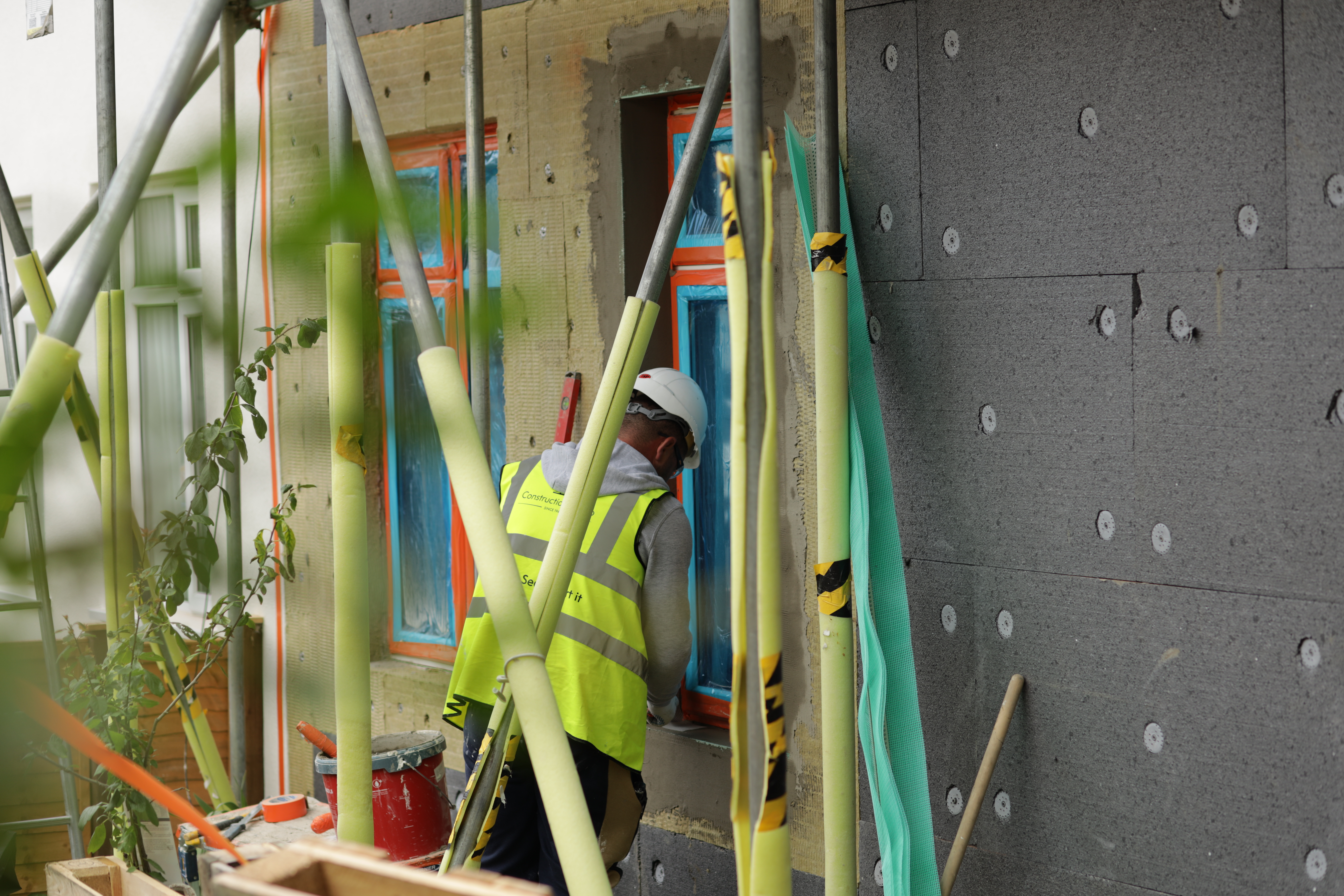
Choosing the right installer is crucial for a successful insulation project. ShapeUp Constructions offers reliable services with several key advantages.
Trusted EWI Installer Across London and the Home Counties
ShapeUp Constructions is a leading EWI installer serving London, Essex, Kent, and the surrounding counties. Our experienced team ensures high-quality results and customer satisfaction.
Building Regulations Compliance and Self-Certification
We adhere to all building regulations and offer self-certification services, giving you peace of mind that your insulation project meets all necessary standards and requirements.
Expert Installation and Aftercare Services
Our expert team not only installs the insulation but also provides comprehensive aftercare services. We are here to support you throughout the process, ensuring your home’s efficiency and comfort for years to come.
Frequently Asked Questions
What is external wall insulation?
External wall insulation involves adding a layer of insulating material to the exterior walls of a building, improving energy efficiency and reducing heat loss.
How does external wall insulation improve energy efficiency?
By covering the entire building envelope, external wall insulation reduces thermal bridges and enhances the property’s overall thermal performance, leading to better energy efficiency.
Are there grants available for external wall insulation in the UK?
Yes, various grants and funding opportunities are available to help offset the costs of installing external wall insulation, making it a more accessible option for homeowners.


